First Zionist Congress
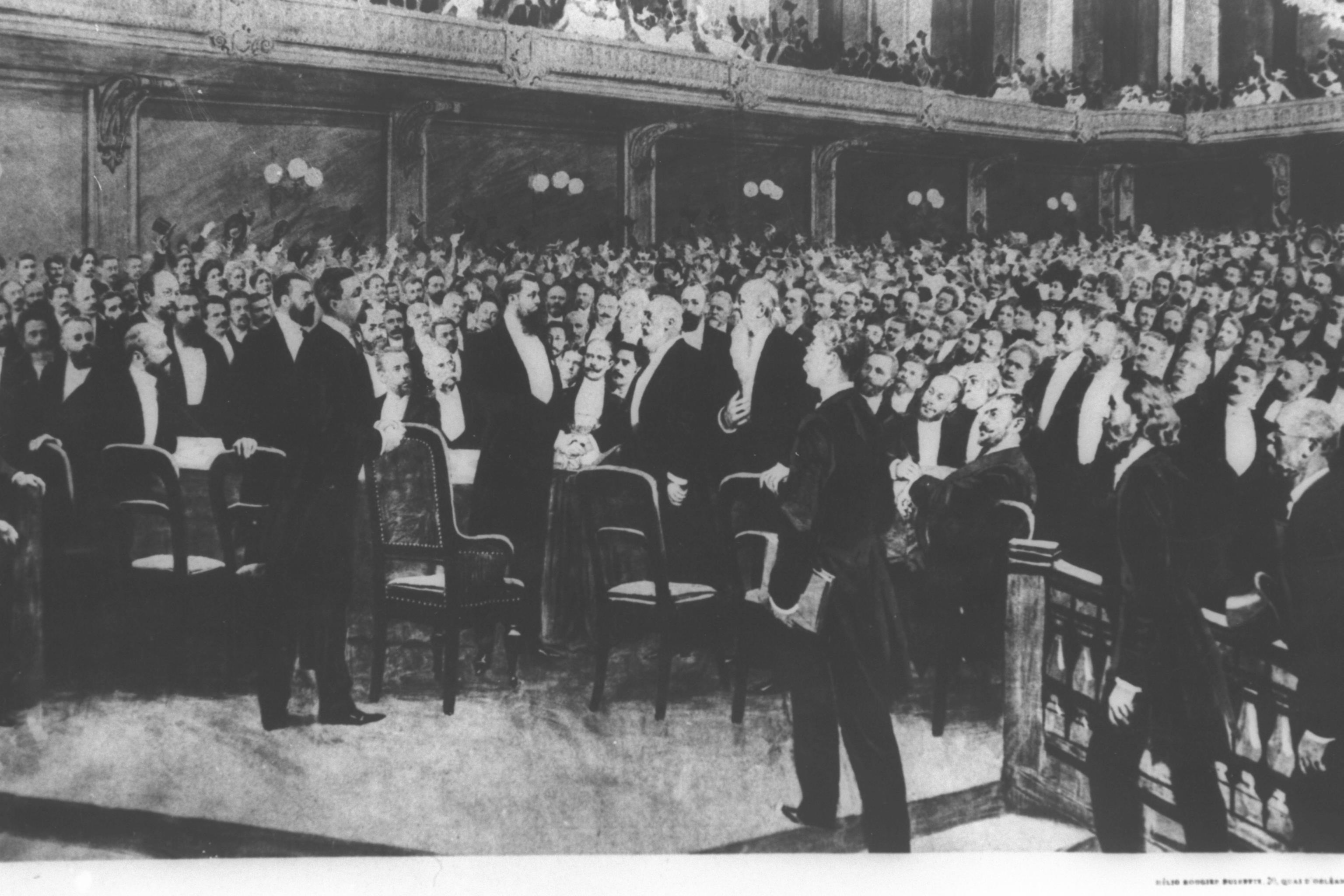
- 1897 - Basel, Switzerland
- World Zionist Organisation established
- Approved the Basel Program
Basel Program
- The aim of Zionism is to create for the Jewish people a home in Palestine secured by public law
- Following means:
- The promotion of colonisation of Palestine by Jewish agricultural and industrial workers
- The organisation and binding together of the whole Jewry by means of appropriate institutions
- Fostering Jewish national sentiment and consciousness
- Preparatory steps towards obtaining government consent to the attainment of the aim of Zionism
- Palestine was chosen as it was a point of consensus between all the different sections of Jews with varying interests and opinions
Jewish Immigration (Aliyot/Aliya)
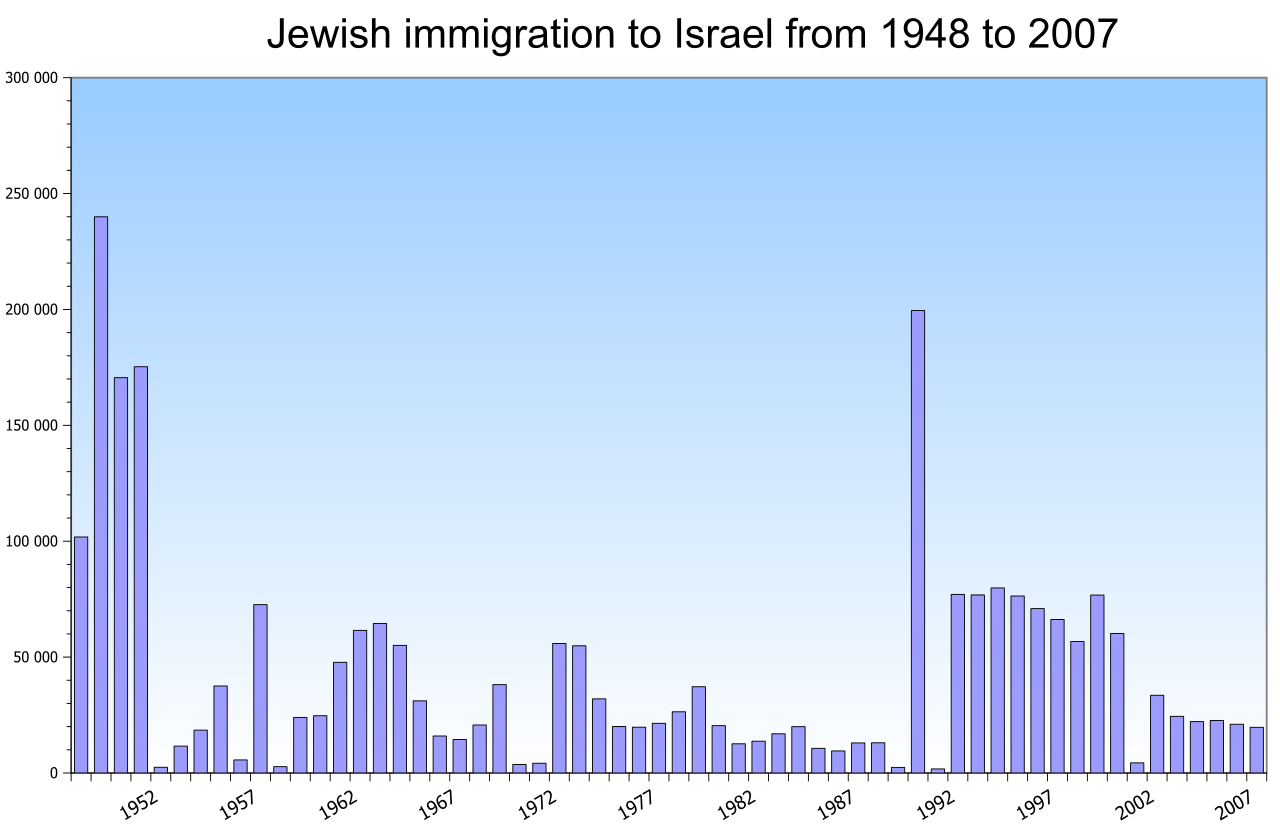
- Jews came to Palestine in five waves:
- First Aliya: 1882
- Pogrom of the Jews in 1882 Russia → Jews petitioned the Ottomans
- Jews were welcome to come to the Ottoman Empire. Two conditions:
- They have to forego European citizenship
- They can settle anywhere in the Ottoman Empire except Palestine
- Second Aliya: 1904-1914
- Third Aliya: 1918-1923
- Fourth Aliya: 1924-1928
- Fifth Aliya: 1929-1939
- First Aliya: 1882
- First Aliyah did not make a mark
- Second and Third Aliyah:
- Young generation → very ideologically driven
- Provided the leadership for the Zionist movement that culminated in the creation of Israel
- Most prominent leaders of Israel from these generations
Success of Zionism
Colonisation
- Basel Program #1
- Policy of second and third Aliyah
- Conquest of land: Control, dominate as much land as possible
- Conquest of labour: No Arab or indigenous labour → all labour by Jews
Appropriate Institutions
-
Jewish National Fund
- land purchasing fund
-
The Jewish Agency
-
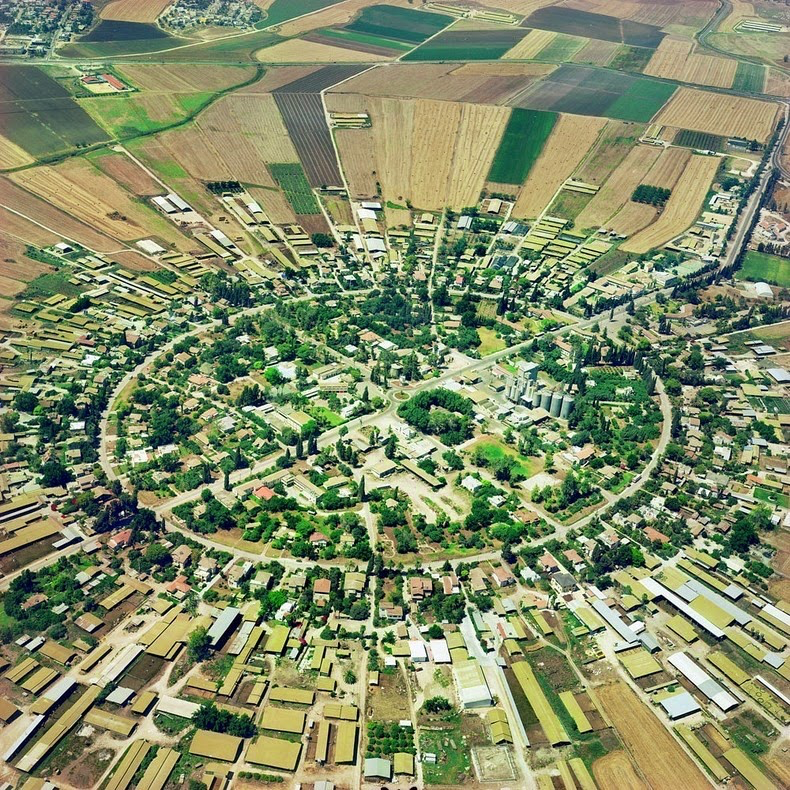
Kibbutzim (sing. Kibbutz)
- Collective farming
- Cultivation in remote areas → extended frontiers of Zionist territory
- Iconic: Collective ownership; no privatisation
- Even children were children of the Kibbutz
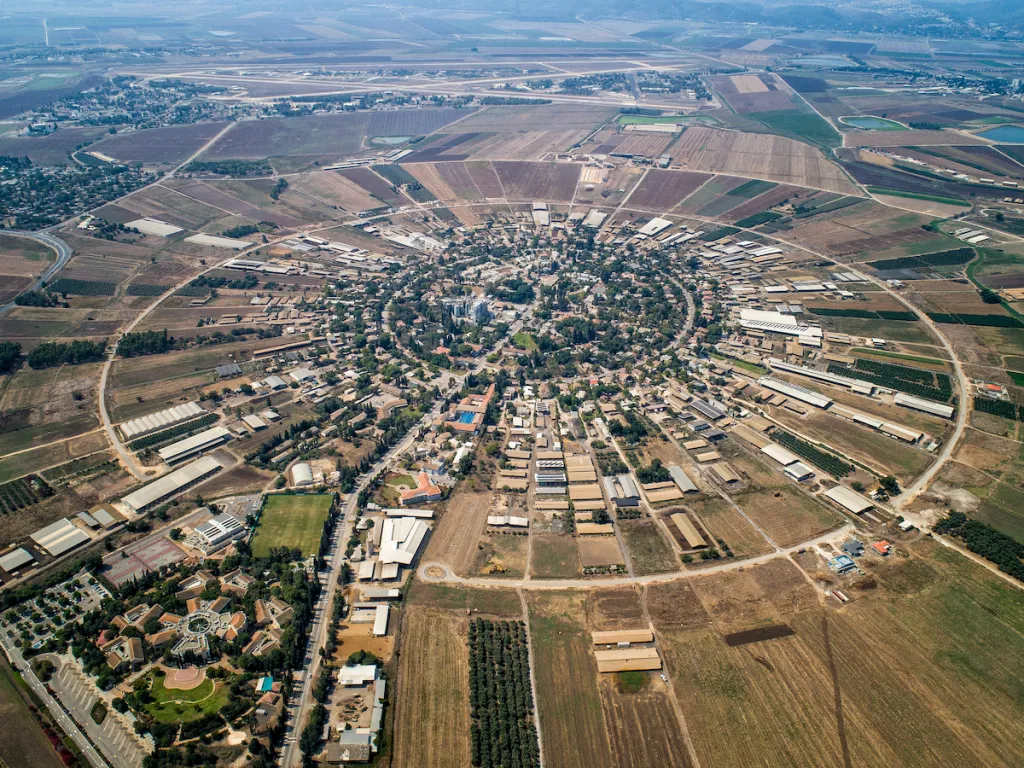
- Mosahvim (sing. Moshav)
- Similar to Kibbutzim
- But people can own land
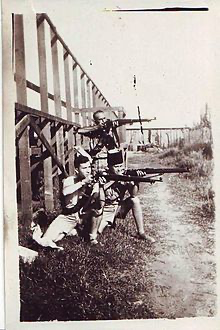
- Haganah
- Paramilitary forces → protect Kibbutzim and Moshavim
- Precursor of IDF
Situation in Mandatory Palestine
Jordan carved out of Palestine - 1921
- For radical fringes of Zionists → Jordan was part of ‘Greater Israel’
British White Paper - 1922
- “Churchill White Paper” / “British Policy in Palestine”
- In response to 1921 Jaffa riots
- series of violent riots in Mandatory Palestine on May 1–7
- began as a fight between two Jewish groups but developed into an attack by Arabs on Jews
- deaths of 47 Jews and 48 Arabs
- While maintaining Britain’s commitment to the Balfour Declaration and its promise of a Jewish national home in Palestine, the paper emphasized that the establishment of a national home would not impose a Jewish nationality on the Arab inhabitants of Palestine → everyone would be Palestinians
- Britain was responsible for two different groups of people who claimed the same piece of land → very difficult task
First Schism in Zionism
- Caused by the two above events:
- establishment of Jordan
- British White paper - 1922
Jewish National Fund
- land purchasing fund
- one class of native Palestinians helped the Fund immensely → the absentee landlords
- Destroyed livelihood of peasants (fellahin)
- Large population of peasants were thrown out of jobs and landless
- Created very unbalanced / unstable situation
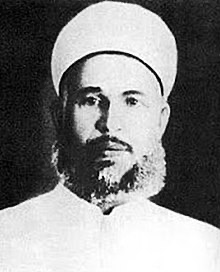
Assassination of Izz ad-Din al-Qassam - 1935
- Palestinian narrative: first martyr for the cause of Palestine
- (present day) al-Qassam brigade → military wing of Hamas
- Already unstable situation due to landless peasants → snowballed by the assassination which provided the spark needed
- Jewish Immigration + Colonisation of Palestine → Culminated in the Great Arab Revolt
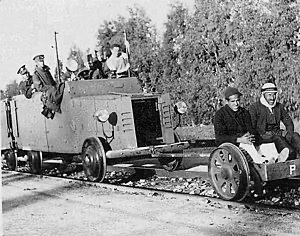
Great Arab Revolt - 1936-39
- British and Zionists vs Arabs
- British brutally suppressed the revolt
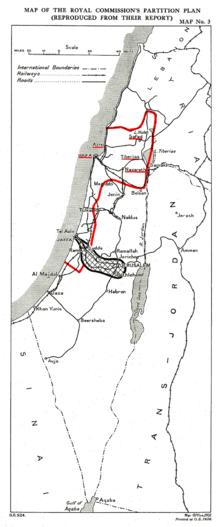
Peel commission
- Recommended a tripartite partitioning of Palestines:
- Arabs
- Jews
- Jerusalem → under the Mandatory
- Beginning of the idea of two-state solution
- Rejected by both parties
- Arabs
- condemned it unanimously
- opposed the idea of a Jewish state
- called for an independent state of Palestine, “with protection of all legitimate Jewish and other minority rights and safeguarding of reasonable British interests”
- demanded cessation of all Jewish immigration and land purchase
- Zionist leadership was bitterly divided over the plan
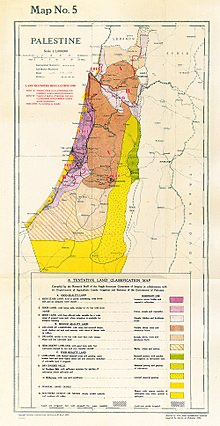
British White Paper - 1939
- “His Majesty’s Government therefore now declare unequivocally that it is not part of their policy that Palestine should become a Jewish State”
- “They would indeed regard it as contrary to their obligations to the Arabs under the Mandate, as well as to the assurances which have been given to the Arab people in the past…”
- Contradiction to Balfour declaration
- Balfour: Arabs → “non-Jewish inhabitants”; here Arabs were named
Consequence of WWII
Biggest consequence of WWII
- End of colonialism
- Emergence of USA and USSR as superpowers
Palestine
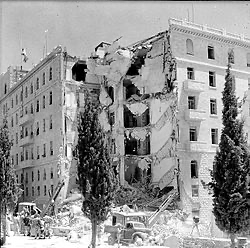
King David Hotel bombing
- King David hotel became hq for British army
- bombing by the militant right-wing Zionist underground organization the Irgun
- Irgun was the paramilitary outfit of the radical fringe of Zionists
- Menechem Begin - leader of the Irgun
- became PM of Israel in 1977
- received Nobel Peace Prize
- shared with Anwar Sadat
- This attack broke the will of British
United Nations Partition Plan for Palestine
- United Nations Special Committee on Palestine (UNSCOP)
- Committee visited Palestine → submitted two reports
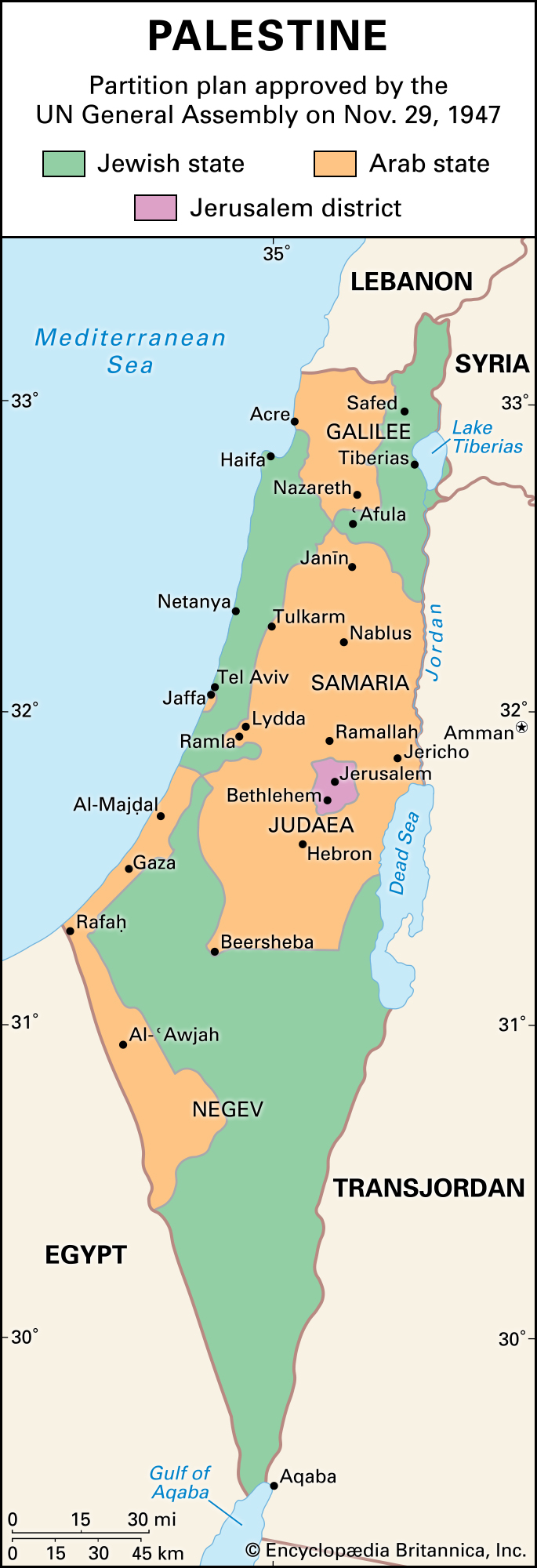
- Majority plan
- Accepted the recommendation of Peel commission → tripartite partitioning
- two-state solution
- Minority plan
- should not partition this land
- construct a system where these two people could co-exist in a federal setup
- one-state solution
- Majority plan
- India sided with Minority plan
- UN resolution 181 - Majority plan
- Ben-Gurion wrote the Declaration of Independence in a cafe napkin
- Nov 1947 - 14 May 1948 - triangular civil war between Zionists, Arab, British
- US state department → Cooling period → Trusteeship
- will not recognise the independence of Israel
Establishment of Israel
- 14 May 1948 - Israeli Declaration of Independence ← David Ben-Gurion
- Turned into an all out war
- Two things happened:
- Expected: Arabs: Egypt, Lebanon, Syria, Jordan → had given Ultimatum to Zionist leadership → if independence was declared, war
- Unexpected:
- US (Truman administration) recognises the State of Israel despite the state department’s decision → “Jews will vote for me”
- Soviet Union recognises the State of Israel
- Till the second and third Aliyah → Zionism was socialist
1948 Arab - Israeli war
- Arab countries declared war
- 1948 Palestinian exodus - “Nakba” (catastrophe)
- 7-8 lakh refugees
- Israeli argument: the Arabs fled on their own volition or on the asking of their leaders - to make way for Arab army
- Palestinian argument: They had to flee because of the war → because of plan ‘D’ → capture as much land as possible & ensure no Arabs
- Israel refused the Palestinians to return to their homes
- International law: Refugees can return home after hostilities end
- Why the state of Israel refuse the refugees the Right to return?
- If allowed → Would be an acknowledgement of the role of Israel in the refugee crisis
- Official position: it is no way responsible
- If allowed → Jews will become minority
- If allowed → Would be an acknowledgement of the role of Israel in the refugee crisis
Consequences of 1948 war
- Creation of the state of Israel ← UN resolution 181
- The Palestinian refugee crisis → 7-8 lakh refugees
Misc: Jewish rights in Palestine
- Human rights
- If native inhabitants’ human rights are deprived, their rights are not ‘cancelled’, they are ‘violated’
- Whatever rights (religious, historical) → cannot override the human rights of the native inhabitants
- Yardstick of any conflict resolution has to be the human rights of the native inhabitants
- Statute of Limitations
- Living rights take precedence of extinct rights
- Role of UN
- They accepted the enabling clause and not the limiting clause
Religious rights
- Outsiders may have rights that are religious
- This right of access to Palestine for religious purposes has, I believe, always been granted to Jews and Christians by Muslims
- duty of a Muslim Government to tolerate and protect its Jewish and Christian subjects so long as these submit to its authority and pay a surtax
- The right of access was not so well assured to Jews and Muslims, I believe, during the interlude of Crusader Christian rule in Palestine
- Jews had previously been excluded from Palestine, except for Galilee, by the Roman Government after the Romano- Jewish wars, until the liquidation of Roman rule in Palestine by the Arab conques
Historical rights
- Jews: during the greater part of the time between the conquest of Palestine by the Israelites in and after the second millennium B.C. and the extermination of the Jewish community in Palestine (with the exception of Galilee) by the Romans in the first and second centuries of the Christian Era, the greater part of Palestine was inhabited by their ancestors
- the Israelites were also far from being the first comers. They made their first entry into Palestine not more than about 3400 years ago, and the pre-Israelite civilizations in Palestine date back to about 8000 or more years ago on the evidence of the excavations at Jericho
- the Jews’ historical rights in Palestine, like the Jews’, Christians’, and Muslims’ religious rights in Palestine, are valid only in so far as they can be exercised without injury to the rights and the legitimate interests of the native inhabitants ot the country.
- At the dates when the Balfour Declaration was made and the mandatory regime was inaugurated, more than o9 per cent. of the living population of Cisjordanian Palestine consisted of Muslim and Christian Arabs
- Both the Balfour Declaration and the British mandate for Palestine were imposed on the Arab majority of the native population against their will by British force of arms
- the obligation undertaken by Britain, under the Balfour Declaration and under the mandate, to the existing inhabitants of Palestine required Britain, while fostering Jewish immigration into Palestine, to keep it within limits within which it would not prejudice the position of the Palestinian Arabs
O Jerusalem - book